Furniture design has evolved significantly over the past few decades, and one of the most influential changes has been the rise of modern chair ergonomics. Chairs are no longer designed solely for appearance or basic function; they are engineered to support posture, reduce fatigue, and accommodate a wider range of body types. As chairs have changed, so too have the assumptions behind table height. What once felt “standard” is now frequently reassessed, especially in event planning, offices, dining spaces, and temporary setups where comfort and usability matter just as much as aesthetics.
The Shift From Rigid Standards to Human-Centered Design
Traditional table heights were based on rigid standards that assumed uniform seating and posture. Modern ergonomic chairs challenge those assumptions. Many chairs now feature contoured seats, flexible backs, armrests, and varying seat heights designed to support natural movement. These features alter how users sit in relation to a tabletop. A chair that encourages a more upright posture may require a slightly different table height than one designed for relaxed or reclined seating. As a result, table height decisions are increasingly driven by how the chair positions the user’s arms, shoulders, and spine.
Seat Height and Arm Positioning
One of the most important ergonomic factors influencing table height is seat height. Modern chairs often sit higher or lower than traditional designs depending on their intended use. Task chairs and dining chairs may promote different sitting angles, which directly affects where the forearms naturally rest. Ideally, a table should allow users to place their arms comfortably without lifting their shoulders or hunching forward. When table height does not align with the chair’s ergonomic design, even a well-made chair can become uncomfortable over time.
Armrests and Clearance Considerations
Armrests are another feature that impacts table height planning. Many contemporary chairs include fixed or adjustable armrests that require adequate clearance beneath the table surface. Tables that are too low can prevent chairs from being pulled in properly, forcing users to sit farther away and lean forward. Tables that are too high may cause armrests to collide with the underside of the table, limiting movement. These practical considerations are especially important in environments where furniture is used for extended periods or by many different people.
Flexibility in Event and Temporary Setups
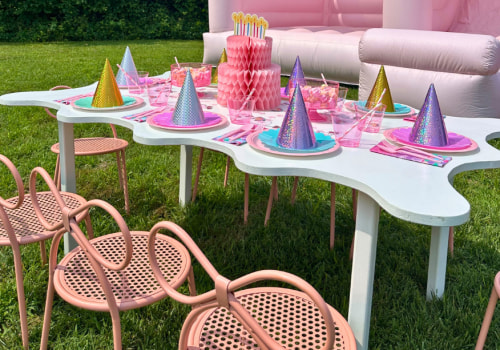
In event spaces, ergonomics become even more complex because seating must accommodate a diverse group of users. Modern event chairs vary widely in seat height, cushioning, and posture support, which means table height cannot be an afterthought. Providers offering table rentals in Stamford, CT often evaluate chair styles first, then recommend table heights that maintain comfort across different seating arrangements. This approach reduces guest discomfort and helps prevent issues like awkward seating positions or limited legroom during long events.
Dining, Work, and Social Interaction
Ergonomic alignment between chairs and tables also affects how people interact. In dining settings, a comfortable height encourages relaxed conversation and longer stays. In work or collaborative environments, proper alignment supports focus and reduces strain. Modern chair ergonomics are designed to support specific activities, and table height must match those intentions. A mismatch can subtly discourage engagement, even if users cannot immediately identify why they feel uncomfortable.
The Role of Adjustable and Custom Solutions
As awareness of ergonomics grows, adjustable tables and custom-height options are becoming more common. These solutions recognize that no single height works for every chair or user. Adjustable systems are particularly useful in multi-purpose spaces where seating may change frequently. They allow tables to adapt to the ergonomic demands of different chairs rather than forcing users to adapt their posture to fixed furniture.
Designing Comfort as a System
Modern chair ergonomics have made it clear that chairs and tables cannot be chosen in isolation. They function as a system, and comfort depends on how well that system is balanced. Thoughtful table height decisions that account for seat height, armrests, posture, and movement lead to better user experiences. As furniture design continues to evolve, the most successful spaces will be those that treat ergonomics not as a detail, but as a foundational design principle.